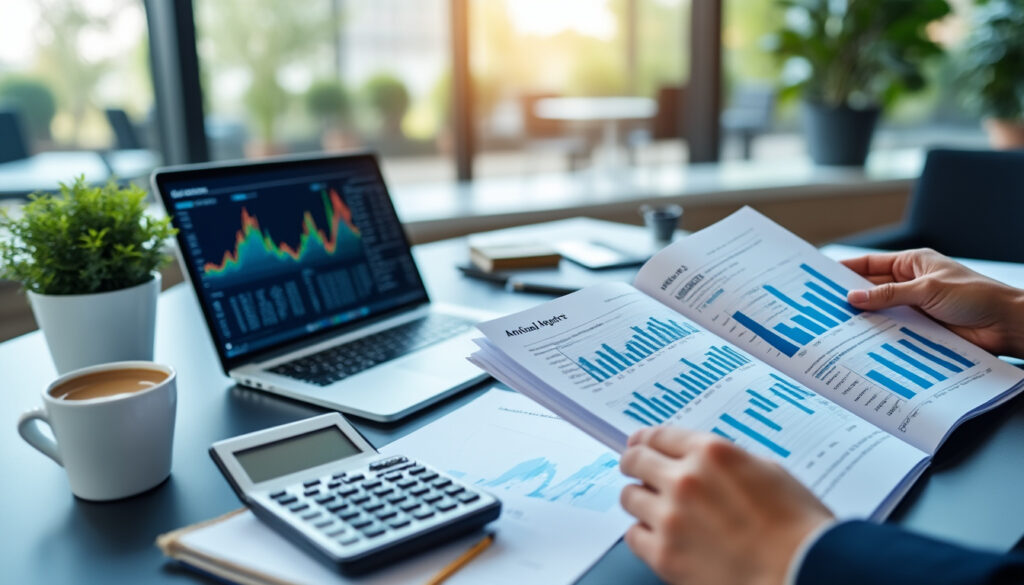
In the dynamic world of finance, the secondary market plays an indispensable role, often operating behind the scenes for many, yet it’s where the majority of trading action truly unfolds. Far from a mere marketplace, it’s the very heartbeat of liquidity, allowing investors to buy and sell existing securities long after their initial offering. This intricate system ensures that capital remains fluid, enabling individuals and institutions alike to adjust their portfolios, seize new opportunities, and react to evolving economic landscapes. Understanding its mechanics is not just for seasoned traders; it’s fundamental for anyone looking to navigate the complexities of modern investment and leverage the robust opportunities it presents.
For investors like Maria, a retail investor in Boston, the secondary market is where she buys shares of a promising tech company, not directly from the company itself, but from another investor who previously held those shares. This constant exchange fuels innovation and stabilizes pricing, offering a clear snapshot of market sentiment and providing crucial insights into the health of various sectors. Without this vibrant, continuous trading environment, the ability to convert investments into cash quickly would be severely hampered, making long-term financial planning and short-term strategic adjustments far more challenging. It is the invisible force that connects countless financial decisions, ensuring that every asset finds its rightful owner at a fair and transparent price.
En bref:
- The secondary market facilitates the trading of existing securities between investors, without direct involvement from the issuing company.
- It is crucial for providing liquidity, allowing investors to convert their assets into cash easily.
- Price discovery in the secondary market is driven by supply and demand, reflecting the genuine market value of securities.
- Key examples include stock exchanges (NYSE, NASDAQ) and over-the-counter (OTC) markets.
- Understanding this market is vital for portfolio management, economic efficiency, and gauging overall economic health.
Unveiling the Secondary Market’s Core Function
The secondary market is, at its heart, the arena where previously issued financial instruments change hands. Imagine you’re looking to purchase shares in a well-established company; you’re not buying these directly from the company itself. Instead, you’re acquiring them from another investor who already owns them. This mechanism is distinct from the primary market, where new securities are created and sold for the very first time, typically through events like Initial Public Offerings (IPOs). The existence of a robust secondary market is paramount because it offers crucial liquidity, enabling investors to buy and sell their holdings with relative ease, transforming illiquid assets into readily available cash.
This constant flow of trading activities provides a dynamic barometer of economic conditions. Rising share prices can signal periods of economic boom, reflecting investor confidence and growth prospects. Conversely, a sustained decline might point towards a recessionary cycle, as market participants react to perceived risks and uncertainties. For a prudent investor like Mr. Henderson, who meticulously follows market trends, the secondary market’s movements are not just numbers; they are a narrative, guiding his strategic decisions and helping him understand the broader financial landscape. It’s a sophisticated ecosystem where every transaction contributes to a collective understanding of value and risk.
The Vital Role in Financial Ecosystems
The importance of the secondary market extends far beyond individual transactions; it underpins the entire financial ecosystem. One of its most significant contributions is facilitating price discovery. Through the continuous interplay of supply and demand, the market effectively determines the fair value of securities. This transparent pricing mechanism ensures that both buyers and sellers operate with clear, real-time information, fostering confidence and efficiency. Without this continuous valuation, it would be difficult for companies to accurately assess their worth or for investors to make informed decisions about their investments.
Moreover, the secondary market promotes economic efficiency by ensuring that capital is allocated effectively. When investors can easily buy and sell securities, capital flows towards the most productive ventures, stimulating economic growth and innovation. Consider a burgeoning tech startup that recently went public. The ability for its initial investors to sell shares in the secondary market makes that initial investment banking opportunity more attractive, knowing they aren’t locked into an illiquid asset indefinitely. This fluidity empowers companies to raise capital in the primary market, knowing there’s a vibrant aftermarket for their securities. This continuous cycle of capital formation and reallocation is essential for a thriving modern economy in 2026.
Mechanisms of Exchange: From Centralized to Decentralized Trading
The secondary market operates through various channels, primarily categorized into centralized exchanges and over-the-counter (OTC) markets. Centralized exchanges, such as the New York Stock Exchange (NYSE) and NASDAQ, are highly structured environments where securities are traded in a transparent and regulated manner. Here, buyers and sellers typically transact through brokers, and the exchange acts as a guarantor, mitigating counterparty risk. This centralized approach offers a high degree of security and standardized trading protocols, making it a preferred venue for widely held stocks and other major securities.
In contrast, Over-the-Counter (OTC) markets are decentralized. These markets lack a physical trading floor and are comprised of a network of dealers who negotiate trades directly with each other or with clients. The foreign exchange market is a prime example of an OTC market. While OTC markets offer flexibility and access to securities not listed on major exchanges, they can also involve higher counterparty risk due as there is no central clearinghouse guaranteeing transactions. Prices in OTC markets can also vary more significantly between different dealers, requiring investors to shop around for the best terms.
Understanding Market Dynamics and Investor Benefits
For investors, grasping the nuances of both exchange-traded and OTC markets is crucial for optimizing portfolio performance and managing risk. The choice between these two market structures often depends on the type of security being traded and the investor’s risk tolerance. Exchange-traded markets offer the reassurance of regulatory oversight and established safeguards, which often come with associated exchange fees and commissions. This makes them ideal for mainstream investments where liquidity and price transparency are paramount.
Conversely, OTC markets can be vital for niche securities or for investors seeking greater flexibility in negotiation. They allow for the trading of less common bonds, derivatives, or even some smaller, developing cryptocurrencies that have not yet “sailed” onto major exchanges. The ability to access a broader range of assets through OTC markets can present unique opportunities for diversification and potential growth, provided the investor conducts thorough due diligence on their counterparties. The key benefits for investors in the secondary market include:
- Enhanced Liquidity: Easily convert investments into cash.
- Price Discovery: Real-time valuation ensures fair pricing.
- Portfolio Adjustment: Flexibility to rebalance holdings based on market conditions or personal goals.
- Investment Opportunities: Access to a wide array of securities from various sectors and geographies.
- Economic Barometer: Provides insights into broader economic health and market sentiment.
What is the primary difference between the primary and secondary markets?
The primary market is where new securities are issued for the first time by companies, typically to raise capital. The secondary market, in contrast, is where these previously issued securities are bought and sold among investors, without the direct involvement of the issuing company.
Why is liquidity so important in the secondary market?
Liquidity in the secondary market is crucial because it allows investors to easily buy or sell their securities for cash without causing a significant price impact. High liquidity ensures that investors can enter and exit positions efficiently, which builds confidence and encourages participation in the financial markets.
How do stock exchanges like the NYSE contribute to the secondary market?
Stock exchanges like the NYSE provide a centralized, regulated platform for investors to trade securities. They offer transparency in pricing, facilitate orderly transactions, and often act as a guarantor for trades, thereby reducing counterparty risk and fostering a secure environment for trading.
Are Over-the-Counter (OTC) markets riskier than exchange-traded markets?
OTC markets can carry higher counterparty risk compared to exchange-traded markets because trades are conducted directly between parties without a central clearinghouse guaranteeing the transaction. However, they offer flexibility and access to a broader range of securities not listed on major exchanges.